Sewing Monogram: A Whimsical Touch for Craft Fair Favorites
First Impressions: Cute, Versatile, and Craft-Friendly
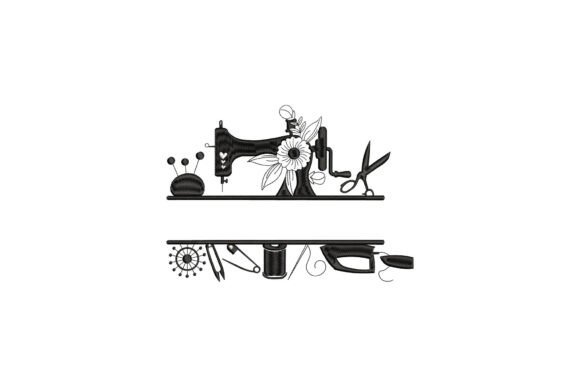
As an embroidery designer prepping for a weekend craft fair, the Sewing Monogram immediately caught my eye with its promise of whimsy charm. It doesn’t scream luxury or boldness, but that’s the point. This is a design that whispers personality into everyday items, perfect for handmade sellers looking to add a soft, custom touch to their product lineup.
Visually, it leans toward a cute, slightly rustic aesthetic with enough simplicity to feel modern. It’s not overly ornate, which makes it adaptable to a variety of fabrics and product types. If you're curating a booth with a mix of farmhouse, minimalist, or soft cottagecore vibes, this design could be your quiet MVP.
Best Bets for Product Display and Appeal
When setting up a craft fair booth, visibility and variety are key. Here’s how the Sewing Monogram performs across top-selling handmade items:
- Tote bags: Works well centered on the front or near the handles. The clean lines help it stand out without overpowering the bag’s design.
- Aprons: Ideal for the chest or pocket area. Adds a personal touch that customers love for gifts or boutique-style kitchen wear.
- Tea towels: Perfect for the corner or lower hem. Embroidery on textured or flour-sack towels can elevate the design's handmade feel.
- Embroidered patches: Especially effective when used as a standalone motif. Great for bag tags, jacket backs, or sew-on gift embellishments.
- Caps and curved surfaces: Use caution—small lettering or tight stitch clusters may distort on curved areas. Test on a sample cap first.
- Fabric pouches: A small-scale version can add charm to zipper pouches, especially if you’re targeting planners or organizers.
- Pillow covers: Centered or off-corner placement works best. Adds a boutique feel without needing extra embellishments.
What Makes It Sell?
Sewing Monogram thrives on clarity and charm. It’s not flashy, but it reads well at a glance—something crucial for craft fair foot traffic. Customers can instantly recognize it as a monogram, which implies customization and personalization, a big draw for handmade buyers.
As a focal point on smaller items like tea towels or pouches, it shines. On larger pieces like aprons or tote bags, it works well as a supporting design element. The key is balance—don’t pair it with too many other embellishments or it can get lost.
Production Considerations for Batch Embroidery
For small shop sellers or Etsy sellers looking to batch-produce, this design has good repeat potential. It’s not overly dense, so stitch time should be manageable. However, always:
- Test on scrap fabric before full production
- Check thread contrast against your chosen fabric colors
- Confirm spacing and legibility, especially for monogram initials
- Inspect stitch density for any tight areas that could pucker
If you’re using textured fabrics like towels or thick canvas, be mindful of how the design lays. Dense stitch areas may flatten or distort on bumpy surfaces. And if you’re going for dark fabric, make sure the thread color pops—this design relies on visibility to convey its charm.
Photography and Online Listings
One of the unsung strengths of Sewing Monogram is how well it photographs. Its clean lines and defined shape make it ideal for Etsy listings, printable mockups, and digital design assets. When styled with coordinating thread colors and paired with neutral backdrops, it reads clearly and professionally.
For digital sellers offering embroidery files or printable mockups, this design could be a great addition to your commercial embroidery collection. Just ensure you have the correct licensing to sell finished products with this design.
Design Limitations to Watch For
While Sewing Monogram is versatile, it does have a few red flags to consider:
- Small lettering may be hard to read on tiny items like keychain pouches
- Dense stitch areas may cause puckering on stretchy or thin fabrics
- Curved surfaces like caps may distort the design unless hooped carefully
- Dark fabrics may require color testing to ensure visibility
If you’re using this for market bags or tote bags, remember that the design may stretch slightly when the bag is filled. Always test on a real mockup to see how it behaves under use.
Visual Appeal and Booth Impact
At a craft fair, your booth is competing for attention. Sewing Monogram doesn’t shout, but it invites closer inspection. That’s perfect for handmade markets where buyers are looking for quality, charm, and a personal touch.
It enhances the handmade feel of your products without appearing too mass-produced. It also helps maintain brand consistency across your offerings—whether you're selling aprons, patches, or pillow covers, this design ties them together with a shared motif.
Final Embroidery Designer Notes
Before taking this design to market, here’s what I recommend:
- Test the design on scrap fabric to check clarity and stitch behavior
- Review thread contrast and color choices across fabric types
- Confirm hoop size and placement accuracy
- Use the right stabilizer for your fabric (cutaway for stretchy, tear-away for stable cotton)
- Create at least one real mockup on the intended product
- Compare fabric colors to ensure the design stands out
- Verify commercial licensing if you plan to sell finished items
As a machine embroidery design, Sewing Monogram offers flexibility, charm, and strong repeat potential for small shop sellers. It’s not the boldest design in your embroidery file collection, but that’s exactly what makes it a smart, reliable option for your craft fair product lineup.