Billy Goat: A Playful, Versatile Embroidery Design for Everyday Projects
First Impressions: Cheerful, Character-Driven, and Ready to Stand Out
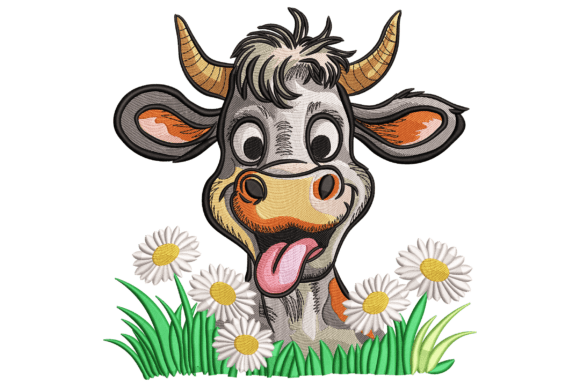
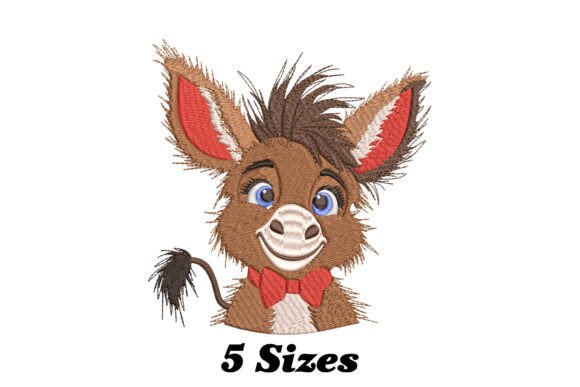
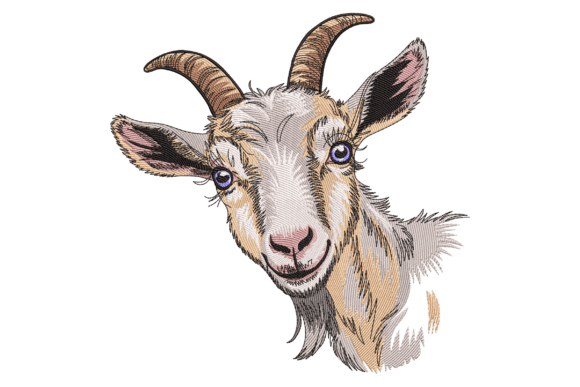
The moment I opened the preview of the Billy Goat embroidery design, I was struck by its bold personality. It’s not just a cute farm animal — it’s a statement piece. The design leans into a stylized, almost cartoonish charm that’s both approachable and eye-catching. The lines are clean, the expression is mischievous, and the overall shape is compact enough to work on a variety of items without feeling overwhelming.
From a design standpoint, Billy Goat reads well at a glance. The balance between satin and fill stitches feels intentional, and there’s enough detail in the facial features to make it recognizable without overloading the design. It strikes a perfect middle ground between simplicity and character — which makes it ideal for both personal use and small-batch product creation.
Real-World Use: From Tote Bags to Baby Clothes
I recently tested Billy Goat on a custom embroidered tote bag for a local boutique. The fabric was a medium-weight cotton canvas, and the design stitched out beautifully. The goat’s posture and expression translated well to the flat surface, and the thread colors I selected gave it a lively pop without clashing with the tote’s natural tone.
Next, I tried it on a baby onesie. This is where the design really surprised me. Despite the smaller scale, the details held up — especially the eyes and hooves. It maintained its personality without looking busy or too complex for a delicate item like baby clothing. I used a soft stabilizer underneath and stuck to a moderate stitch density, which helped prevent puckering on the stretchy knit fabric.
It also worked well on a holiday-themed sweatshirt. I paired it with a simple embroidered name underneath and used a metallic thread for the horns and hooves. The result was festive, personal, and just quirky enough to stand out in a gift shop setting. The design’s adaptability across different themes and products is a big plus for crafters and Etsy sellers alike.
Where to Use Billy Goat with Care
Like any detailed embroidery design, Billy Goat has its limitations. I wouldn’t recommend it for very small hoop sizes — especially if you want to preserve the facial details. The eyes and mouth are small and could easily get lost or distorted if scaled down too much.
On textured or loosely woven fabrics like burlap or linen, the design may lose some of its crispness. In those cases, I’d suggest using a lightweight tear-away stabilizer and testing on a swatch first. Dark fabrics can also present a challenge — some of the lighter thread colors may not show up as clearly as expected, so I recommend previewing the design in black and white mockups before stitching.
Curved surfaces like baseball caps or rounded corners on patches require extra attention. The goat’s posture is upright, so placing it on a curved surface might cause parts of the design to stretch or skew. I’d advise using a cap frame or curved surface hoop if possible, and always check the stitch density to prevent distortion.
How Billy Goat Elevates Your Finished Products
One of the biggest advantages of this design is its visual appeal. Whether you’re making personalized gifts or boutique-style apparel, Billy Goat brings a sense of whimsy and warmth that customers respond to. I’ve noticed that embroidered items with character-driven designs like this one tend to sell faster than generic patterns — especially when used in handmade shops or Etsy listings.
From a branding perspective, it’s versatile enough to fit into a variety of niches: rustic farmhouse decor, children’s wear, pet-themed merchandise, or even quirky holiday collections. It also adds a level of professionalism to your work — especially if you take the time to match thread colors and test the design on different fabric types.
When used thoughtfully, Billy Goat can help elevate your product value. It’s not just an embroidered goat — it’s a storytelling element. Buyers connect with character-based designs, and that emotional connection can lead to repeat sales and stronger brand recognition.
Designer Notes: What to Check Before You Stitch
- Test on scrap fabric first — especially if you’re working with a new material or a dark background.
- Review thread color contrast — some lighter details may not pop on certain fabrics, so swatch with different thread combinations.
- Check stitch density — avoid overly dense areas that could cause puckering on stretchy or thin materials.
- Confirm hoop size — if you're scaling down, ensure the design still holds its clarity.
- Inspect small details — the eyes and hooves are small, so be cautious with placement and fabric texture.
- Test in black and white mockups — this helps visualize how the design will look on dark fabric before stitching.
- Use proper stabilizer — especially for stretchy or delicate fabrics like baby clothes or knits.
- Confirm licensing — before selling any finished items or digital products featuring the design.
If you're an embroidery designer or small shop owner, I’d strongly suggest keeping a copy of Billy Goat in your design assets. It’s a reliable, expressive option that works well across a range of products — from embroidered patches and holiday gifts to custom apparel and nursery decor.
Just remember: as with any machine embroidery design, the key to success is thoughtful execution. Take the time to test, adjust, and plan your fabric and thread choices carefully — and you’ll find that Billy Goat becomes a go-to design for your most engaging handmade projects.